
This report was provided by Jill Wheater.
It had been a sweltering week in the Overberg, and many of us arrived with a hint of apprehension at the thought of birdwatching in such hot, humid conditions. Yet, as we gathered at Salandra at 06:45, the morning greeted us with cool air and a soft blanket of cloud. Spirits lifted instantly among the thirteen eager birders, all anticipating another memorable outing to Jessie Walton’s farm.
The drive through the Elgin Valley is always spectacular. Rolling orchards stretch across the landscape, apple and pear trees heavy with ripening fruit, promising a good harvest. Soon we reached the gate to the bird hide, coffee was poured, rusks shared, and binoculars were readied as we set off in search of the morning’s sightings.
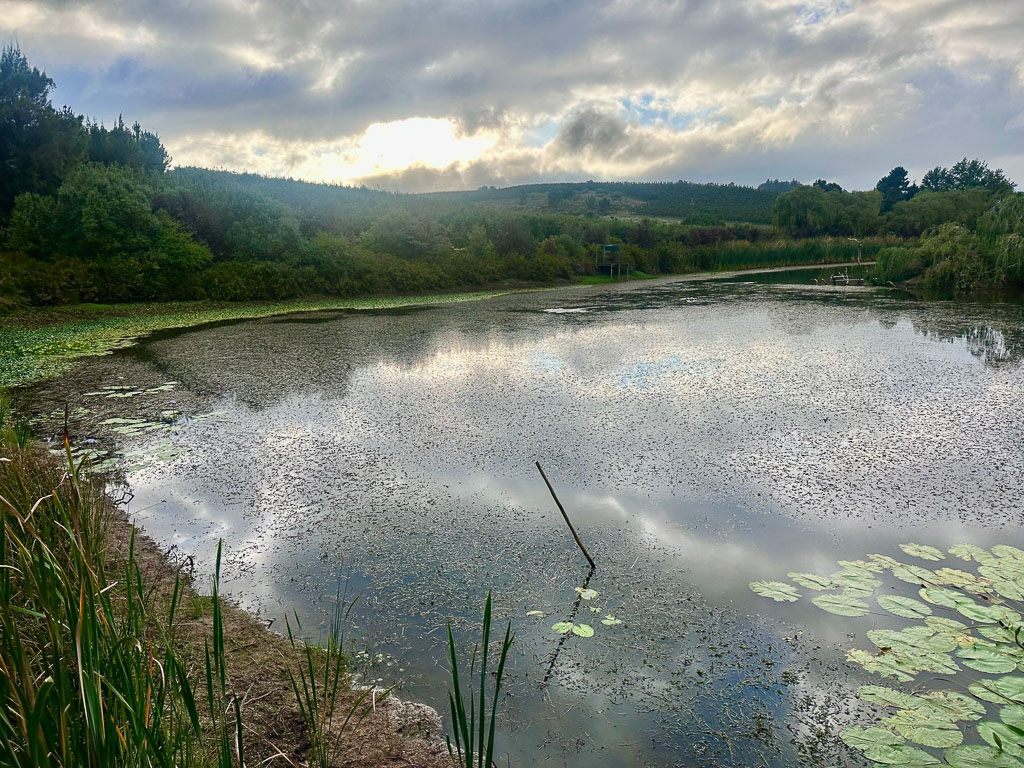

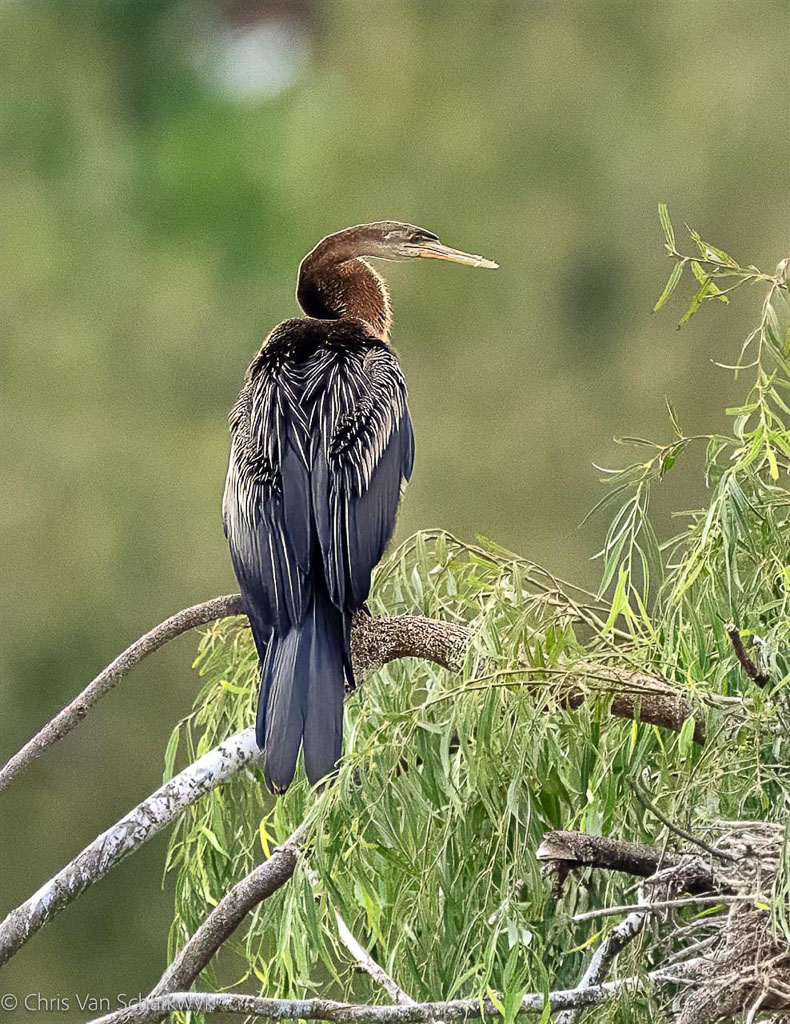
Although the dam’s water level was lower than in previous years, it remained alive with activity. Reed Cormorants and African Darters perched amongst the dead trees, while Red-knobbed Coots and Common Moorhens moved steadily across the water. An elegant Purple Heron was clearly seen on the reed beds, while a Black-crowned Night Heron moved quietly through the vegetation.

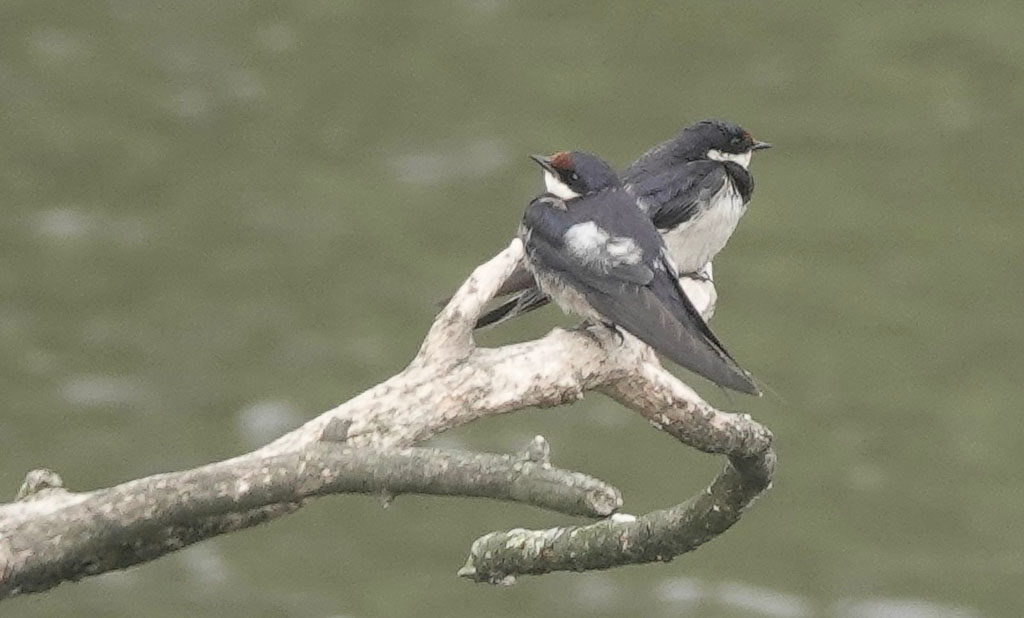

As we walked around the dam, White-faced Whistling Ducks came into clear view, a Giant Kingfisher announced its presence, and a pair of Black Stilts shared the shoreline with several White-throated Swallows neatly lined along a branch as if posing for photographs. To the left of the dam, Cathy’s keen senses – whether sharp eyes or sharper ears – led us to an Olive Woodpecker energetically searching for breakfast. What began as a single sighting soon revealed two adults and a juvenile, frustratingly hidden within dense branches. Persistence paid off when one finally emerged into view, rewarding the group’s patience.


With a reasonable bird count under our belts, we moved on to the nursery. The nursery itself was lush and vibrant, filled with layers of green and alive with birdsong. Many of its inhabitants, however, proved frustratingly swift – tiny wings flashing past at remarkable speed, leaving us guessing at identities as they vanished into foliage. Eventually, some of us simply sat quietly, attempting to track the rapid movements overhead.

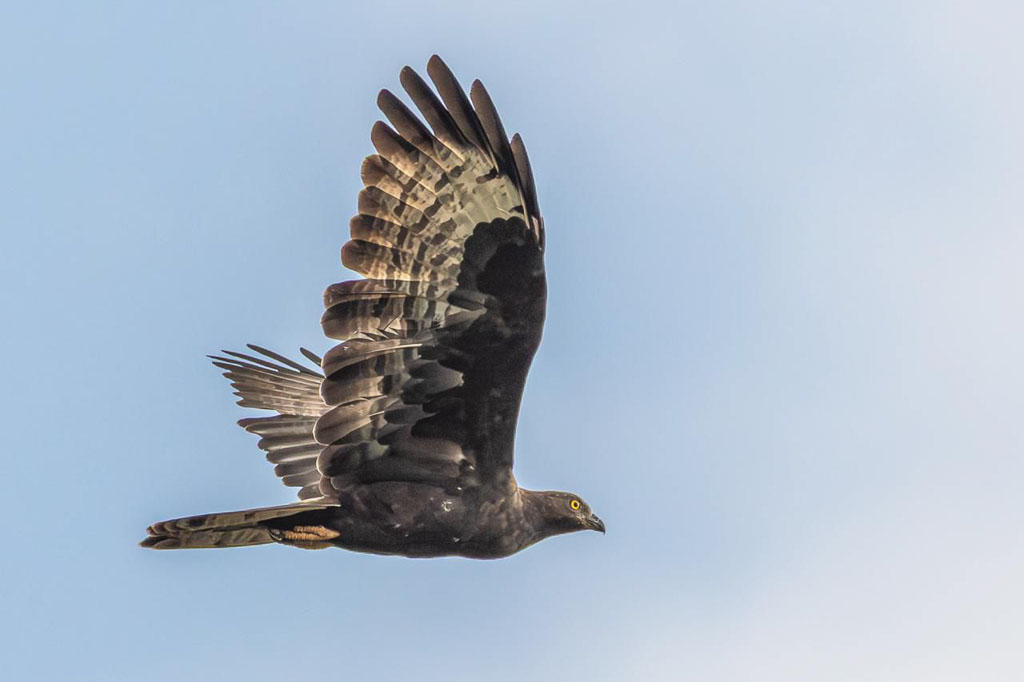
A sudden call from Johan drew all eyes skyward, and those fortunate enough glimpsed the unusual sight of a European Honey Buzzard passing overhead. Many thanks go to Gerbus for capturing excellent photographs of this elusive visitor.

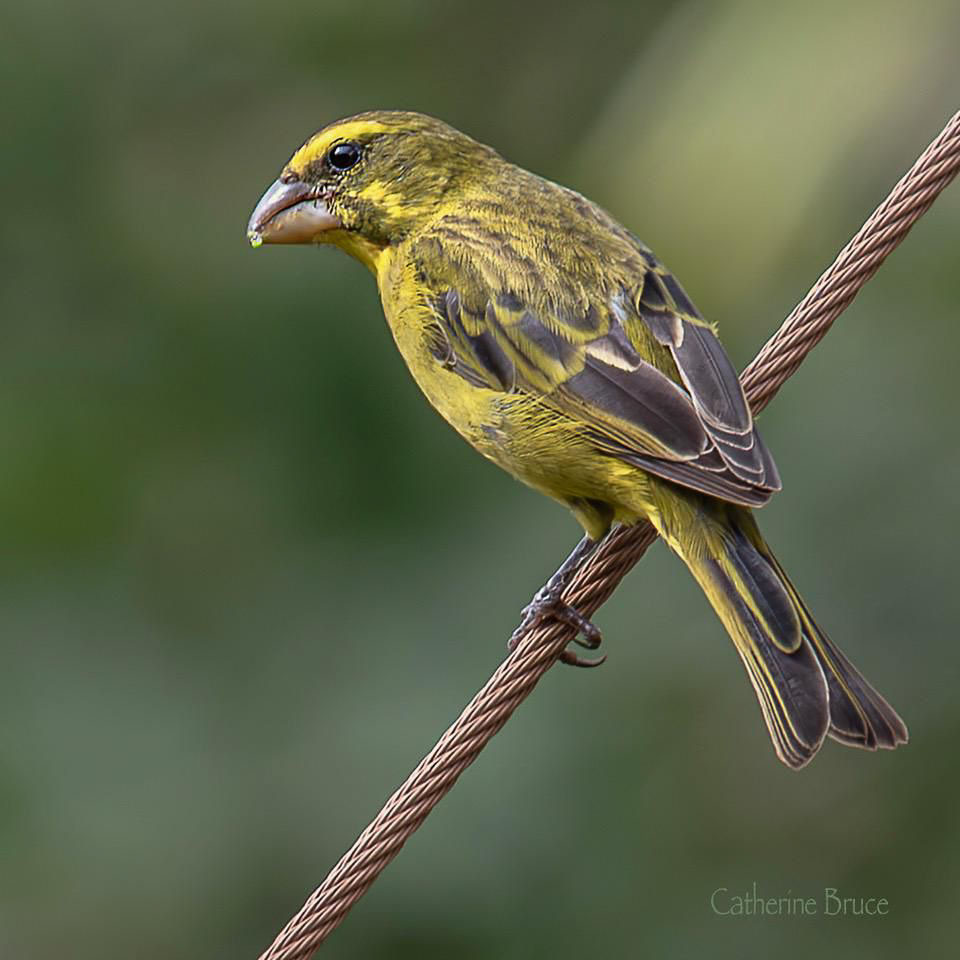
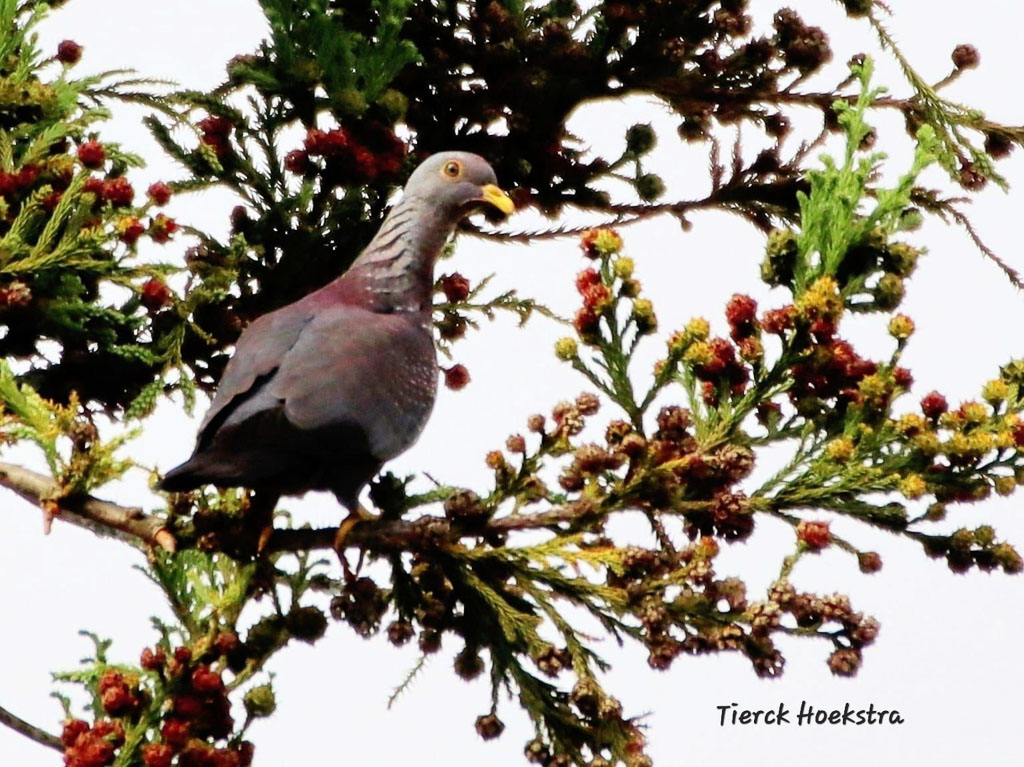
The nursery was alive with colour with an array of spectacular flowering trees and shrubs, enticing plenty of both Amethyst and Southern Double-collared Sunbirds with the occasional Malachite Sunbird flitting through. A Cape Sugarbird perched gracefully on its favoured feeding plant, obligingly turning toward the photographers below. The distinctive call of a Cape Batis echoed overhead, and after much searching through binoculars, it finally revealed itself on a high branch in full view. Brimstone and Cape Canaries added brightness to the morning, Swee Waxbills darted through the bushes, and sightings of Fork-tailed Drongo, Bar-throated Apalis, Olive Pigeon and Red-winged Starling further added to the growing list. Above us, a Common Buzzard and Black Kite circled effortlessly in the warm air.




Leaving the nursery we followed Jessie along winding jeep tracks in hopeful pursuit of pipits. Although all three species are known to occur on the farm, they remained elusive despite Jessie’s keen eyes at the front. Instead, we enjoyed sightings of African Stonechat, Cape Robin-Chat, Olive Thrush and Cape Weavers.
Our final stop took us to the farmhouse, where breakfast awaited alongside sweeping views of the expansive dam and distant mountains. It’s important to remember that birding is not just about the birds but the camaraderie of the group; the excitement of spotting a bird, sharing of crunchies and home-made cakes, plenty of easy laughter and friendships made with like-minded people. Jessie’s deck provided the perfect vantage point, both for conversation and for birdwatching.


The usually conspicuous African Black Duck took its time appearing, as did the shy Black Crake, while the warming day encouraged many birds to retreat into cooler cover.
Some of us wandered through the gardens, admiring magnificent proteas and leucodendrons while standing eye-level with nectar-loving birds moving among the flowers. A walk around the dam brought us close to resting cormorants, and although the willow trees are often home to Spotted Eagle-Owls, we were granted only a fleeting glimpse as one burst from its perch and disappeared into the distance.
As midday approached, the heat and humidity began to settle in, and the birds wisely sought cover – prompting us to do the same. With a respectable total of 63 species recorded, we reluctantly said goodbye to this beautiful natural haven.
Our sincere thanks go to Jessie Walton, ever a generous host with her time, knowledge and warm hospitality. Despite the loss of her husband, she continues to nurture their legacy, building a rich body of knowledge around birdlife and plant conservation while inspiring others to become guardians of this remarkable corner of the Cape. Thanks also to Johan for his excellent organisation and for successfully keeping the group together – no small task when enthusiastic birders lose track of time in pursuit of another sighting.
And finally, thank you to fellow birders. What a privilege it is to share these experiences together. I encourage everyone to join a bird outing and immerse yourself in nature for a few hours.
Thanks for the write up and photos. It was a spectacular excursion. Thank you Jessie Walton and Johan van der Westhuizen and everyone who came.