
This information was supplied by Steve Peck.
The Black Harrier (Circus maurus) is BirdLife South Africa’s official Bird of the Year for 2026, shining a much-needed spotlight on one of the region’s most magnificent and rarest birds of prey.
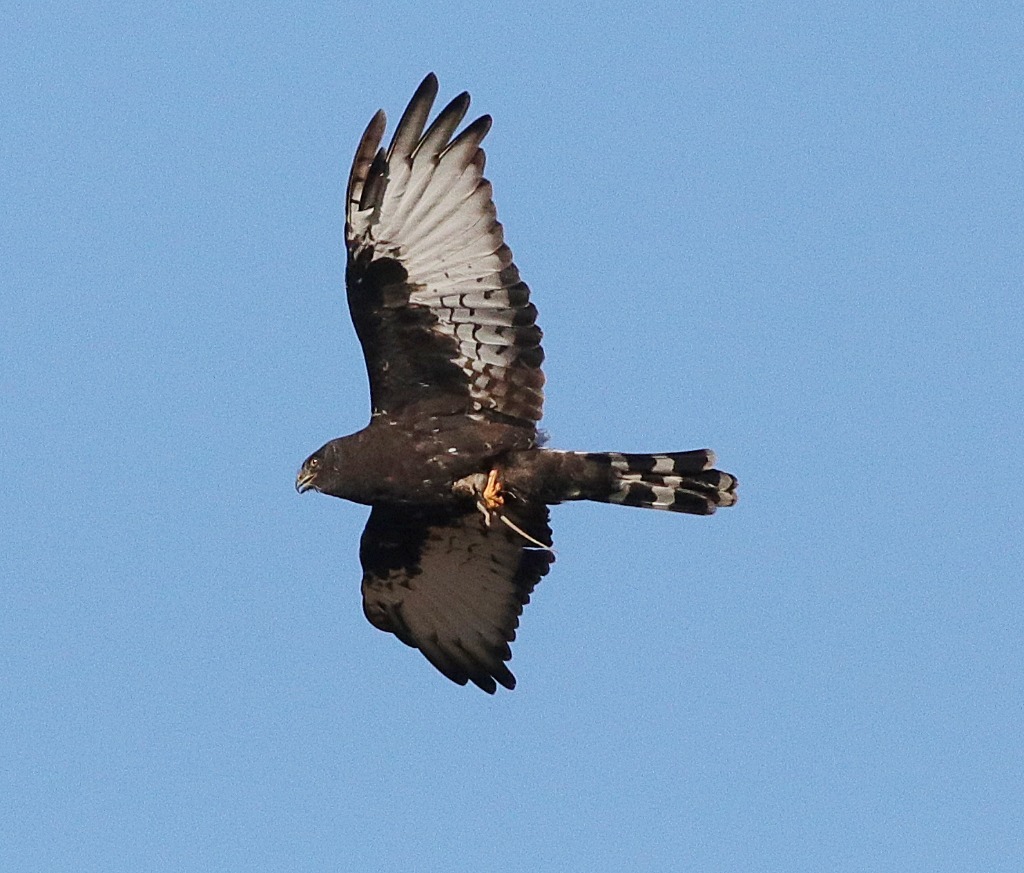
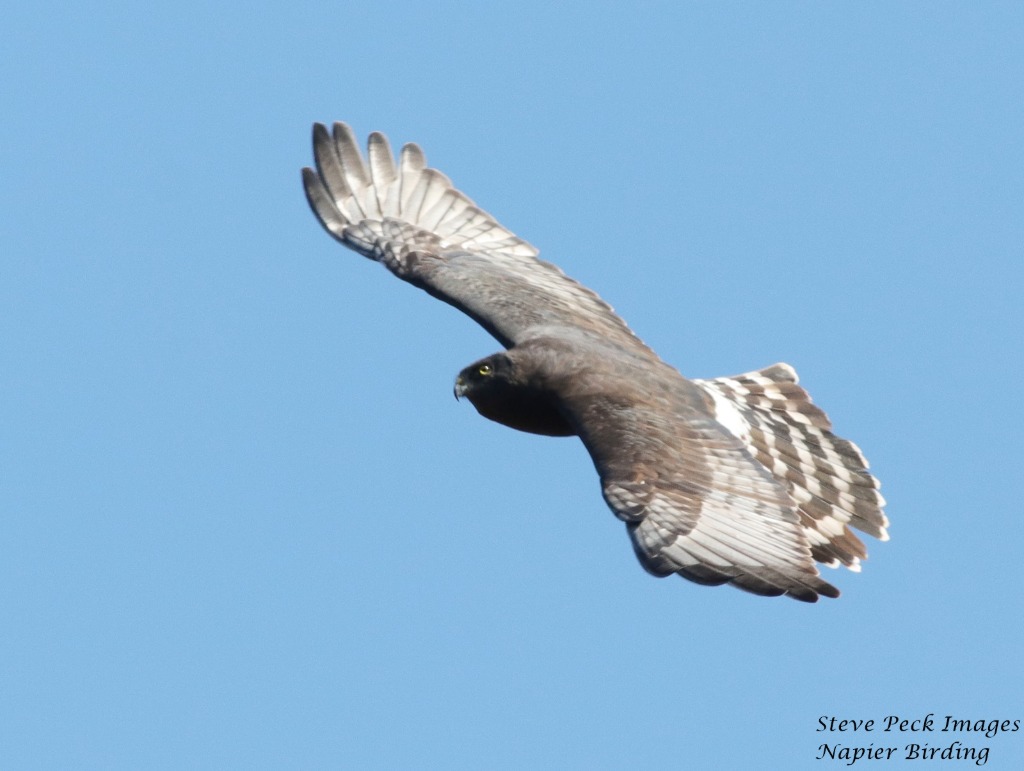
Phantom of the Fynbos: Celebrating the Black Harrier
Known as the Witkruisvleivalk in Afrikaans, mmankgodi-wa-dihlaba in Sesotho, and umamhlangenomnyama in isiZulu, this striking raptor is near-endemic to southern Africa and around 70% of its total population is restricted to South Africa.
Key Facts and Figures
- Population Size: Fewer than 1,000 to 1,200 mature individuals remain in the wild, making it southern Africa’s rarest endemic raptor.
- Conservation Status: Classified as Endangered in South Africa, Lesotho, and Eswatini.
- Core Range: Centred heavily in the Western Cape and Eastern Cape, particularly within the fragile Fynbos and Renosterveld biomes.
- Nomadic Movement: Highly mobile during the non-breeding season, tracking seasonal rain and rodent booms as far north as the Free State, Northern Cape, and Lesotho.
Unique Characteristics
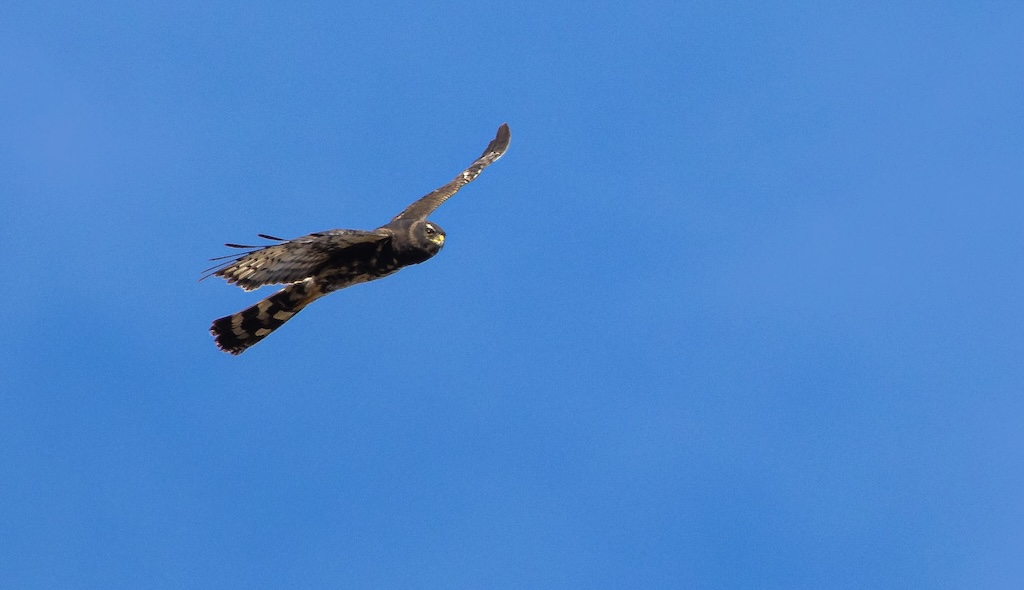
- Appearance: Perched adults appear charcoal-black with bold yellow eyes and legs. In flight, they reveal a stark white rump patch and black-and-white barred tail feathers. Females are roughly 20% larger than males.
- Ground Nesting: Unlike most birds of prey that build nests high in trees, Black Harriers nest directly on the ground hidden within dense low shrubs or reed beds.
- Hunting Style: They use a buoyant, low-level “flap-and-glide” flight just a meter or two above the veld to surprise small rodents, reptiles, and small birds.

Conservation Challenges
The Black Harrier faces severe threats from loss of natural habitat due to crop farming, urban sprawl, destructive veld fires, and collisions with power infrastructure or wind turbines. Organizations like the Overberg Renosterveld Trust work alongside the Black Harrier Task Force to protect critical lowland habitats and engage local farming communities in safeguarding these rare raptors.