
This trip report was provided by Jill Wheater.
It had been several harrowing days of wildfires across the Overstrand area and the two-hour drive for many of us, to Nuwejaars, was characterised by a charred landscape and hazy, smoke-stained skies. There was a quiet solemnity amongst us, heightened by the fact that access roads had still been uncertain just 24 hours earlier. It was the first time I had studied a fire-watch report before setting out on the route.
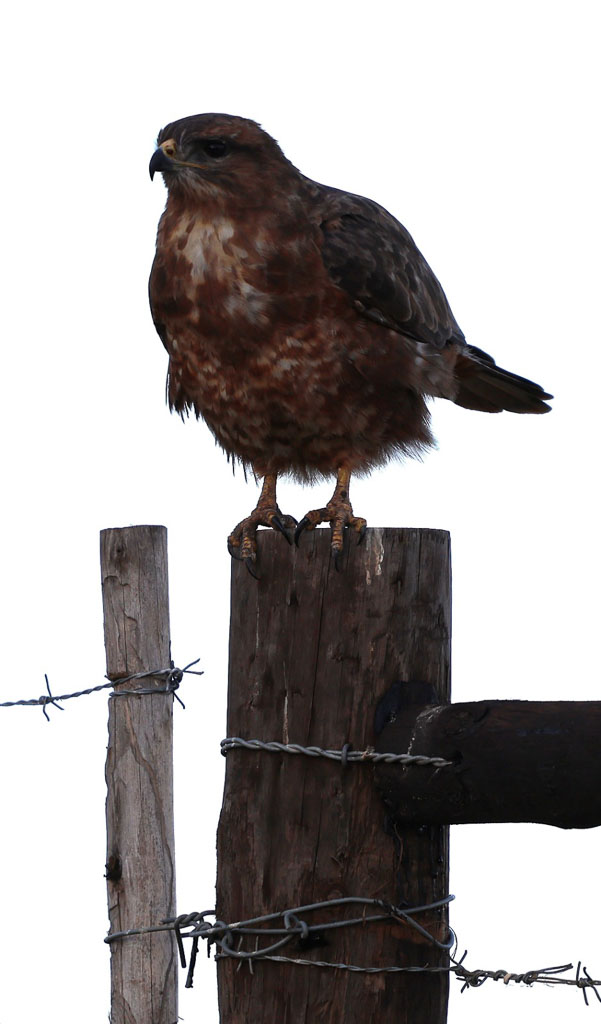
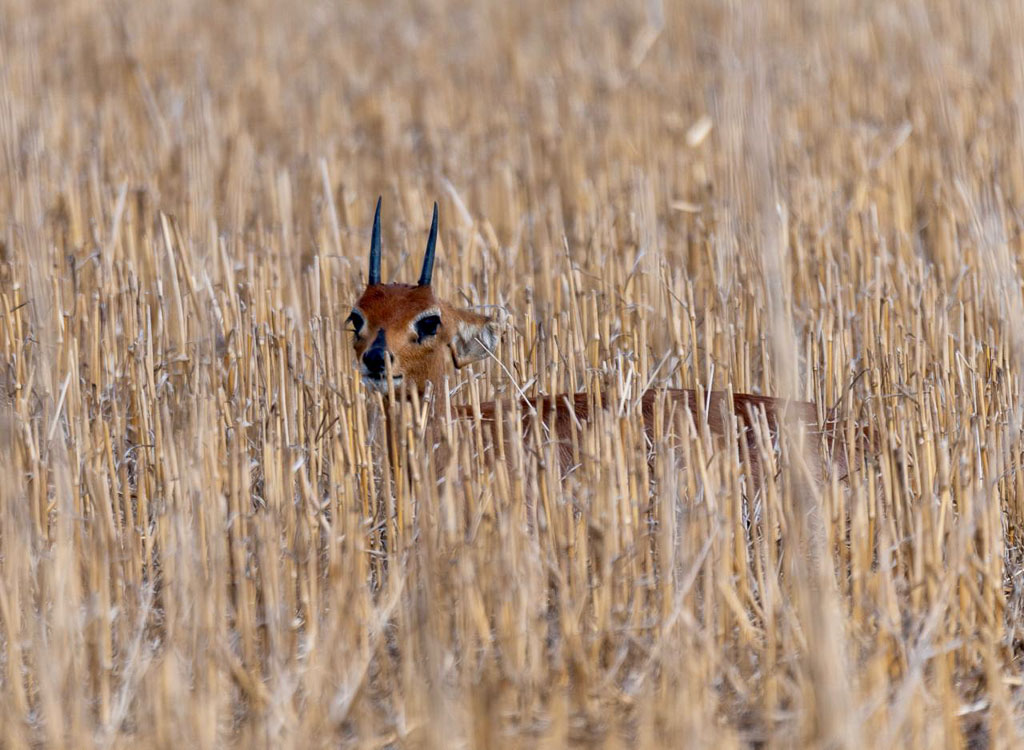
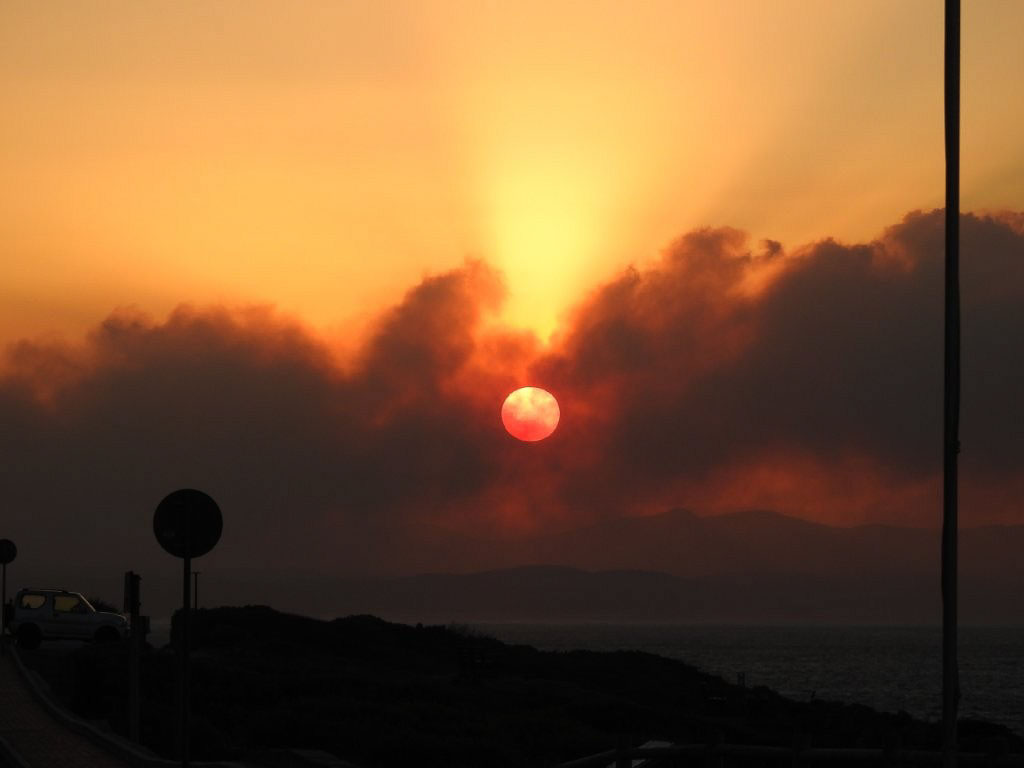
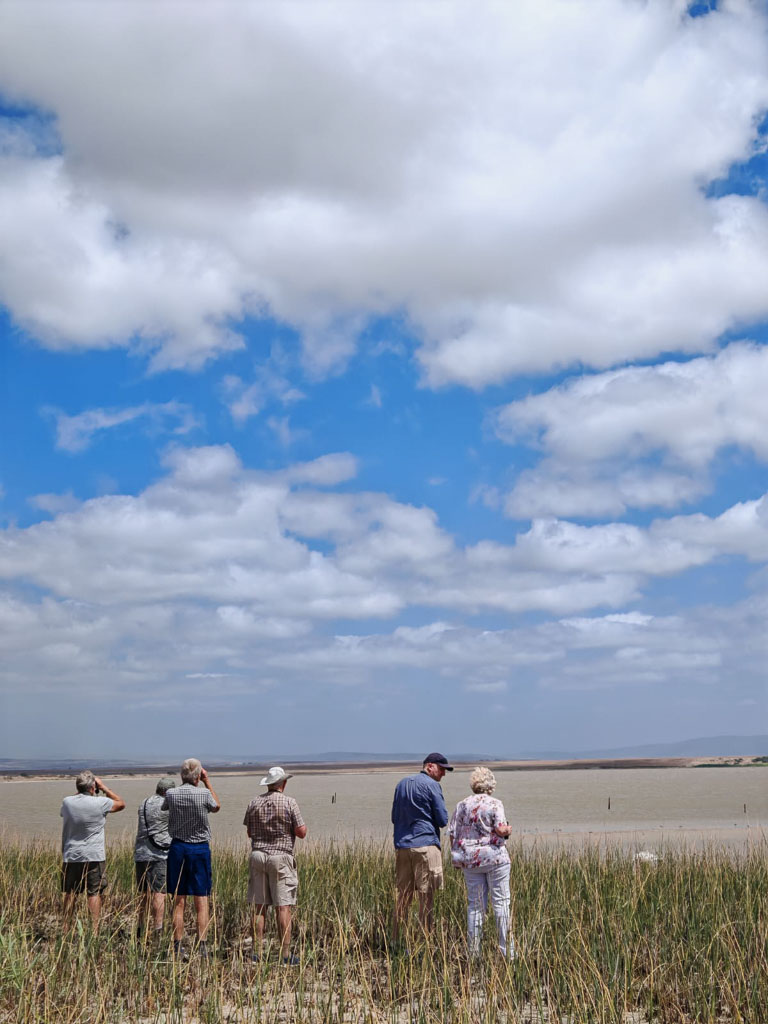
Yet, nature, resilient as always, was still asserting itself. The familiar Jackal Buzzards were gracing the telegraph poles and several Blue Crane flying overhead. We arrived at Nuwejaars to find twenty eager birders ready to embark on an interesting birding trip. With winds gusting between 50 to 60kph , it was clear that this would not be an easy one.
The Nuwejaars Wetlands Special Management area is a remarkable conservation model spanning over 46 000 hectares of private land. A collaboration of landowners has created an area promoting sustainable farming practises whilst restoring and conserving the fragile ecosystem. Game, birds and flora flourish on these unique wetlands on the border of the Agulhas National Park. Despite the dry season and relentless winds, we were all just grateful to be out in nature.
With ten of us on the safari vehicle and three cars following, we set off with guide Dylan, Steve leading the trip and Graeme ably manning the walkie-talkies and skilfully spotting birds. For those of us on the vehicle it took a bit of time to get used to a very strong wind! No hat survived, wrinkles were instantly erased and if you had hair, well, there was certainly no style left! Holding binoculars and heavy camera lenses was an athletic exercise but a humbling reminder that this was nothing compared to holding a fire hose … and again gratitude prevailed for the brave firefighters.
The land was dry but alive with familiar birds: Crowned Lapwings, several Large-billed Larks, Fiscal Flycatchers, a Cape Wheatear, a Levaillant’s Cisticola and flocks of Barn Swallows. As we approached the first dam three Denham Bustards took off in front of the vehicle. Too fast for shaky lenses but a great sighting.
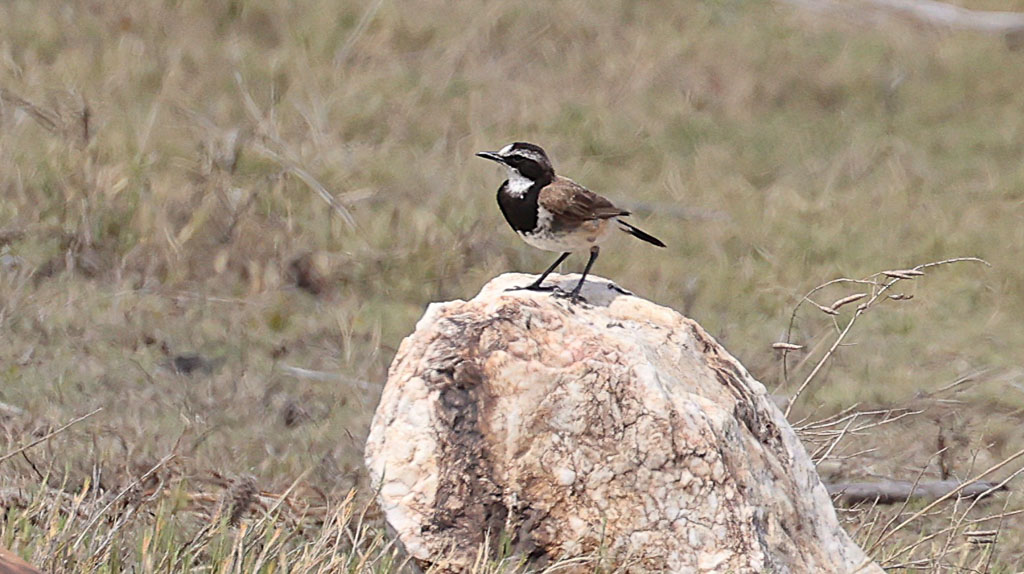

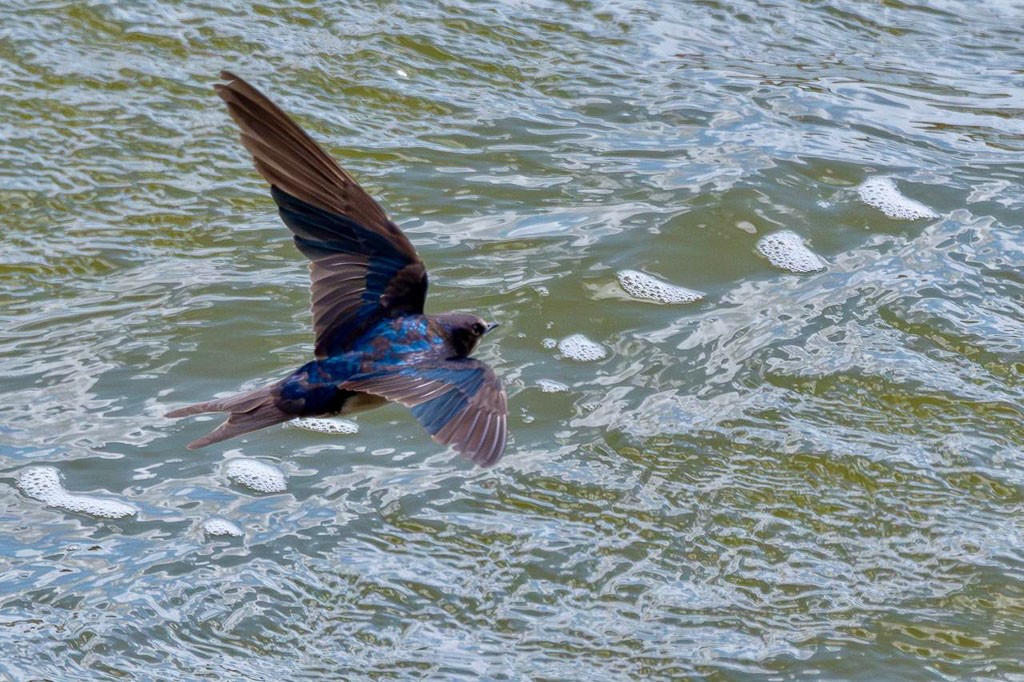
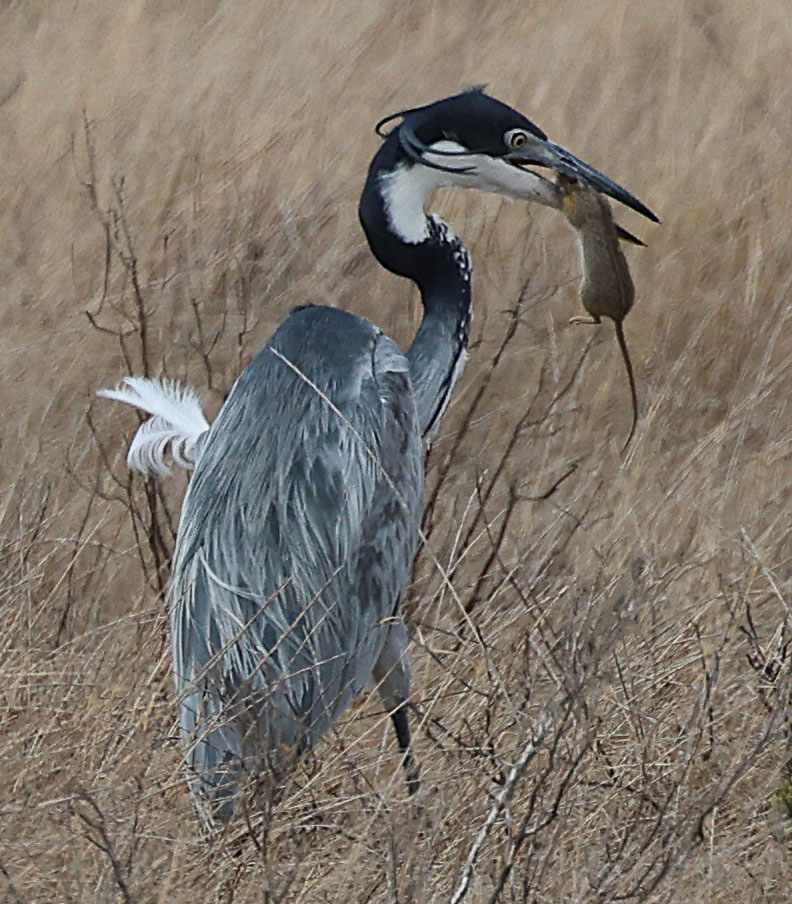
The dam was teeming with Spur-winged Geese and of course Egyptian Geese. A graceful Grey Heron took off and later a Black-headed Heron was seen eating an unfortunate mouse for breakfast! A group of ostriches could be seen running in the distance and a herd of curious buffalo emerged from the bushes to investigate us.
We were lucky to view a Blue Crane close to the vehicle – unruffled by the wind – and posing for those who could reach for their cameras. Shortly after we came across a family of Blue Crane with a tiny junior in tow – a privileged moment as they hurried off into the reeds for safety.
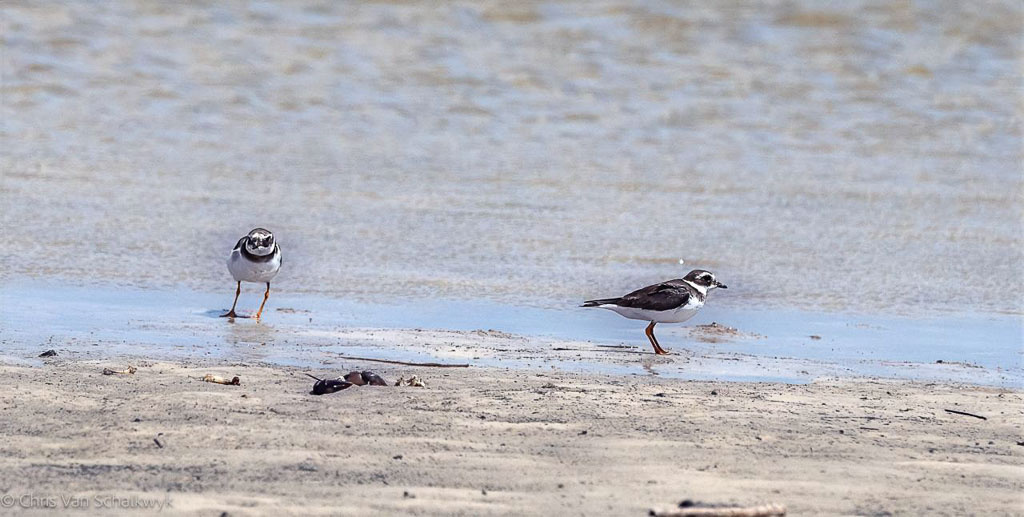
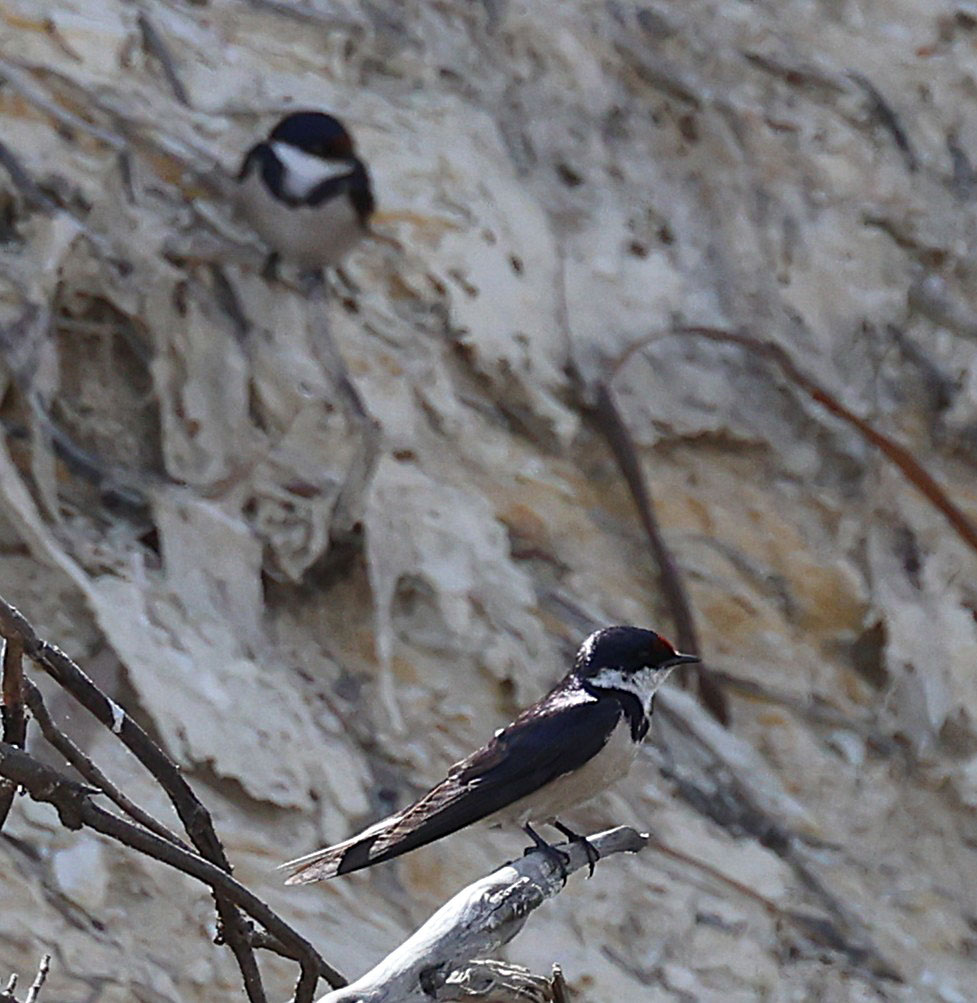
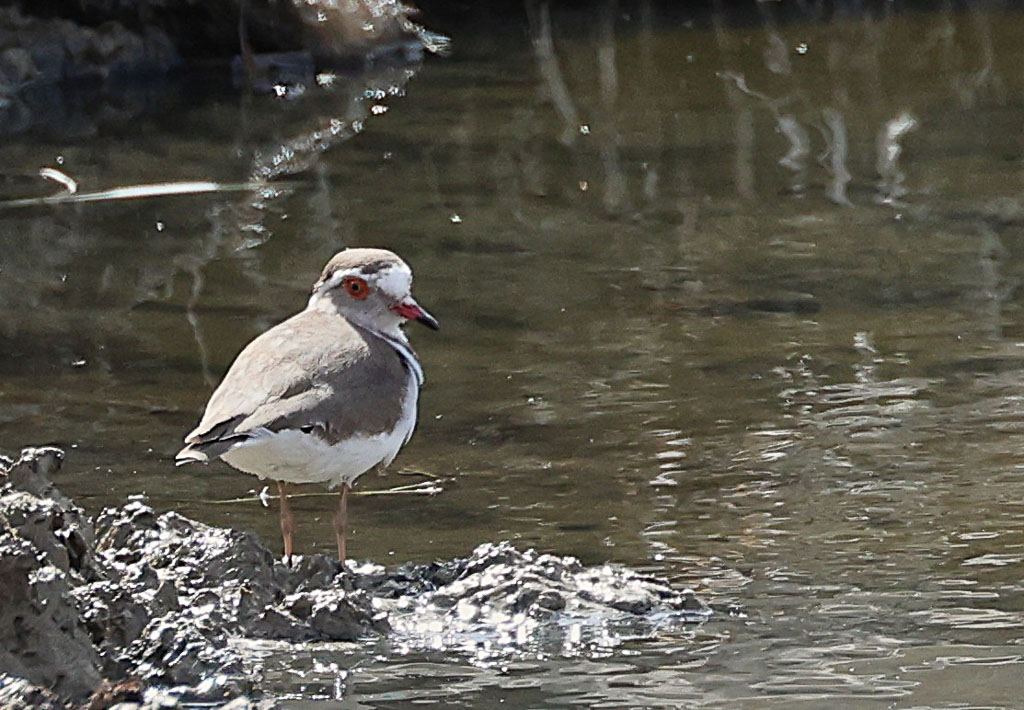
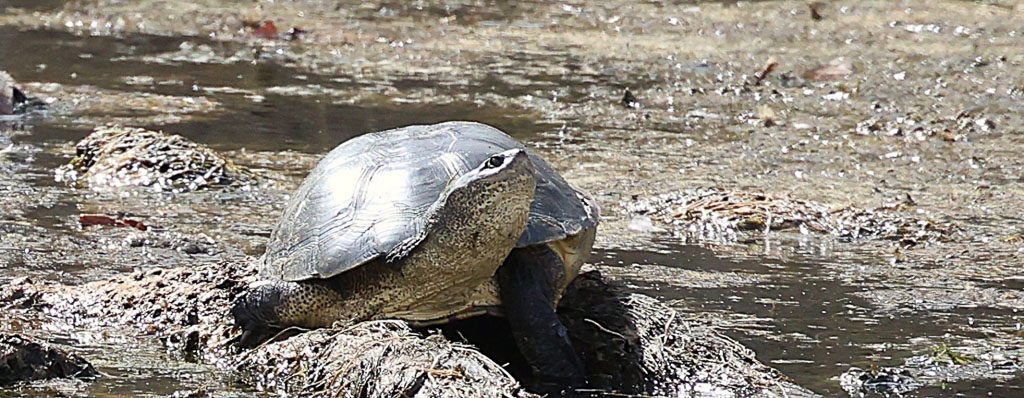
The next dam was home to two large flocks of Greater Flamingos, with a lone Pelican tucked amongst them! Cape Shovelers were seen in the distance along with Kittlitz Plovers, Pied Avocet and Black-winged Stilt. As we left the dam, a Barn Swallow obligingly posed on a branch, while a large turtle rested at the base.
Having taken a break for a snack – and an attempt to tame the wind-ravaged hair – we climbed back in the vehicle and drove towards the final dam. Along the way, Graeme spotted a Red-capped Lark and an African Stonechat. Common Buzzards soared powerfully on the gusts whilst the Guinea Fowl struggled comically to keep their round bodies grounded – it seemed like safety in numbers was the key!
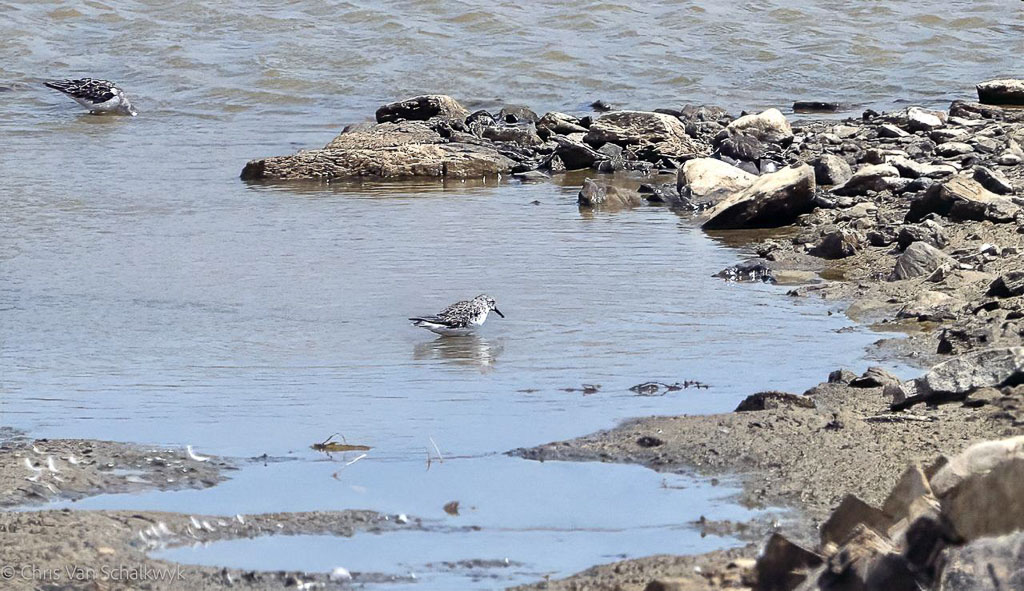
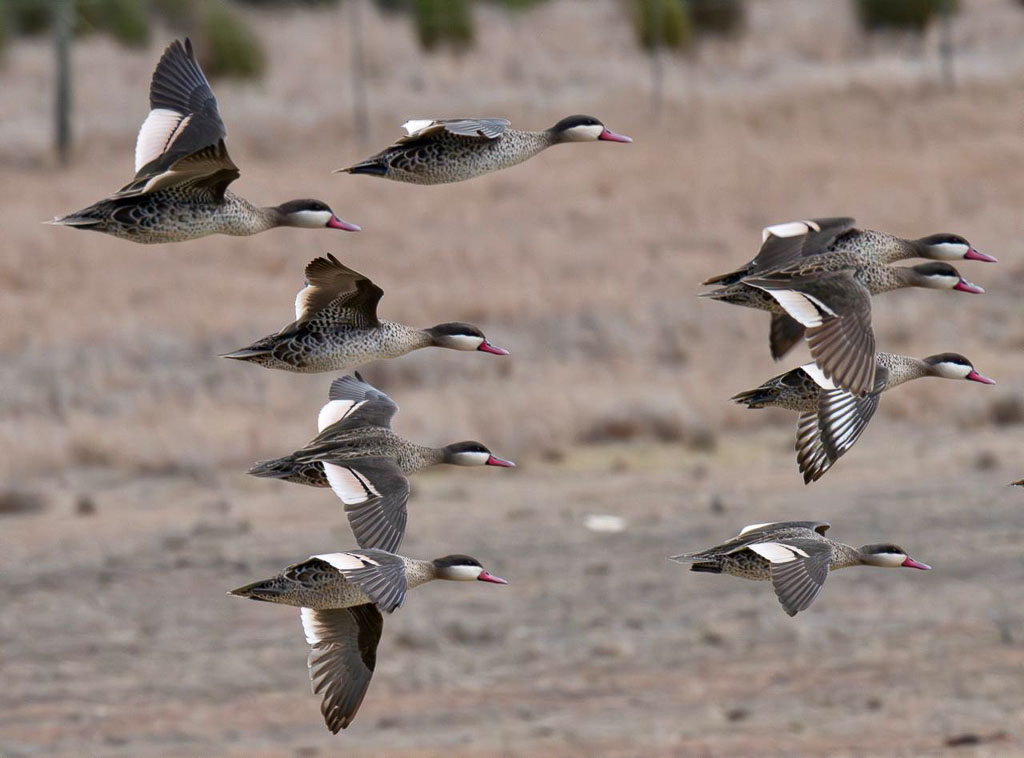
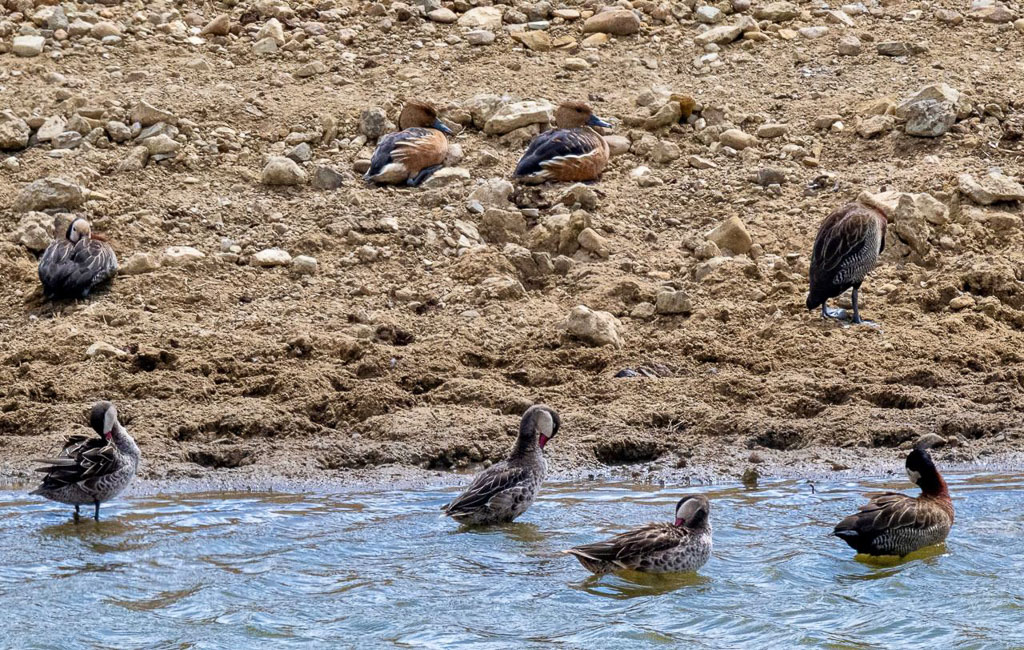
Our last stop was spectacular. Plenty of White-faced Whistling Ducks, Yellow-billed Ducks, Red-billed Teal and a flock of Little Stints. Then came the highlight of the day. Steve spotted some Fulvous Whistling Ducks on the rocks amongst the Teal – indeed a rare sighting. A lifer for the day for him – and probably for all of us!
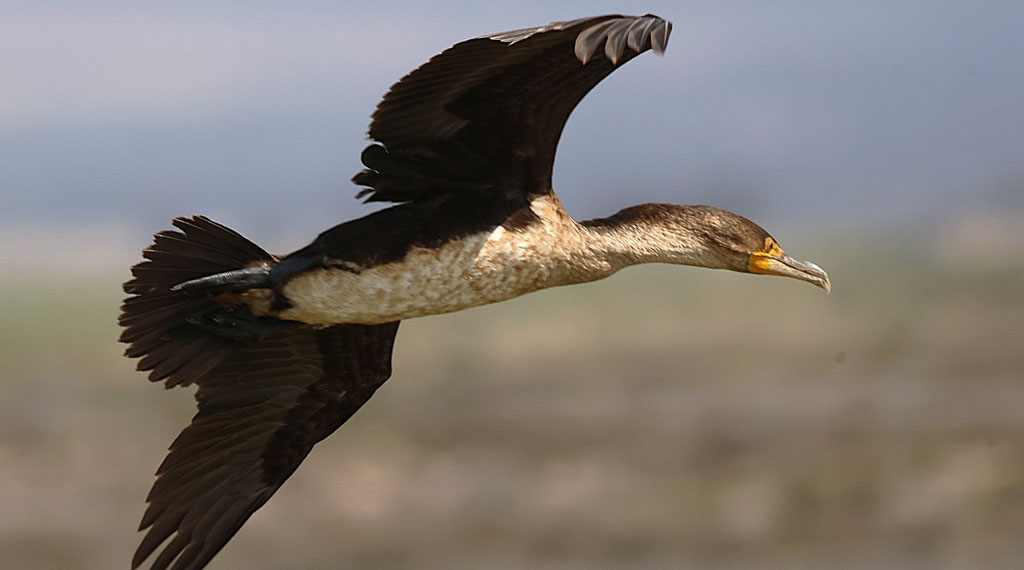
A total of 59 birds were recorded for the morning; the complete list can be found here. Many thanks to Johan for organising the outing, Steve and Dylan for leading and Graeme for his exceptional spotting ability. It was, as always, a privilege to be a spectator in such a beautiful and resilient reserve.
Thanks for the well written, interesting and comprehensive trip report. It’s especially helpful in anticipation of the next Nuwejaars Wetland Birding outing. A joy to read!