
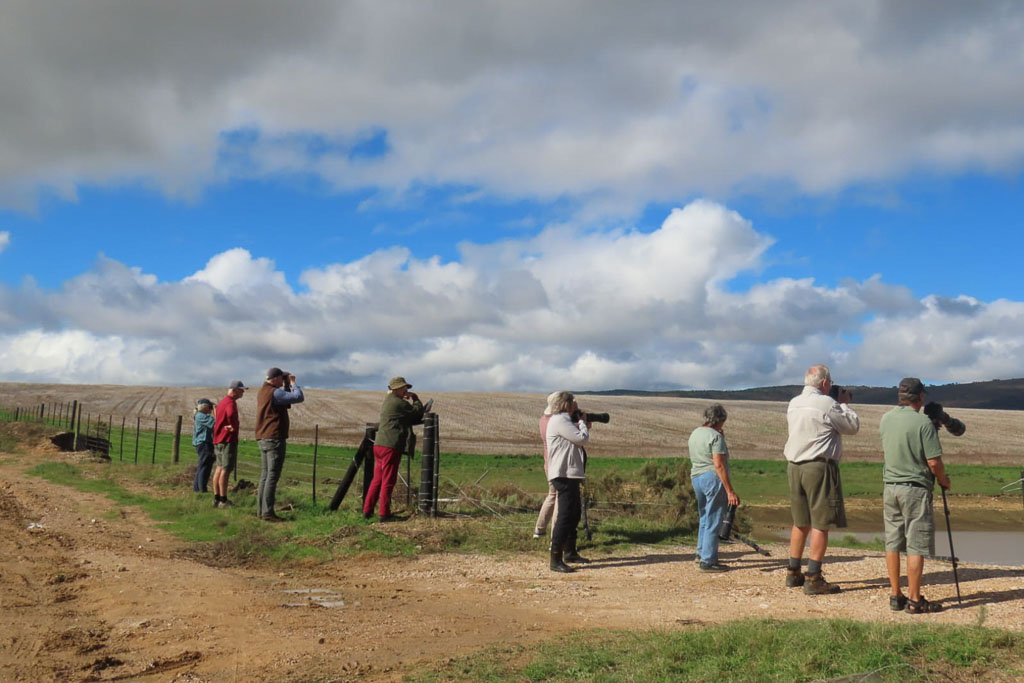
A small group of birders gathered at Willem Appel Dam bird hide in Stanford. We could not have had better birding conditions! It was still with enough cloud cover to shield us from too much sun.
Willem Appel Dam and Stanford suburbia
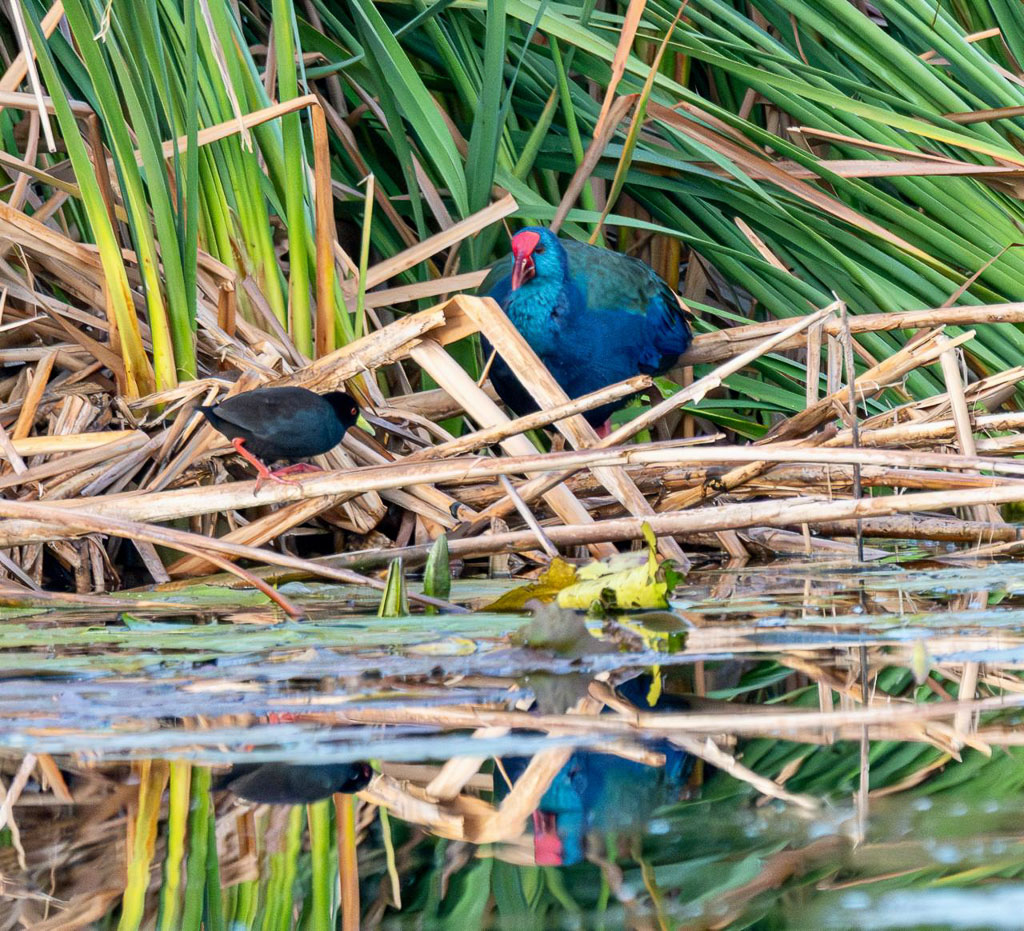
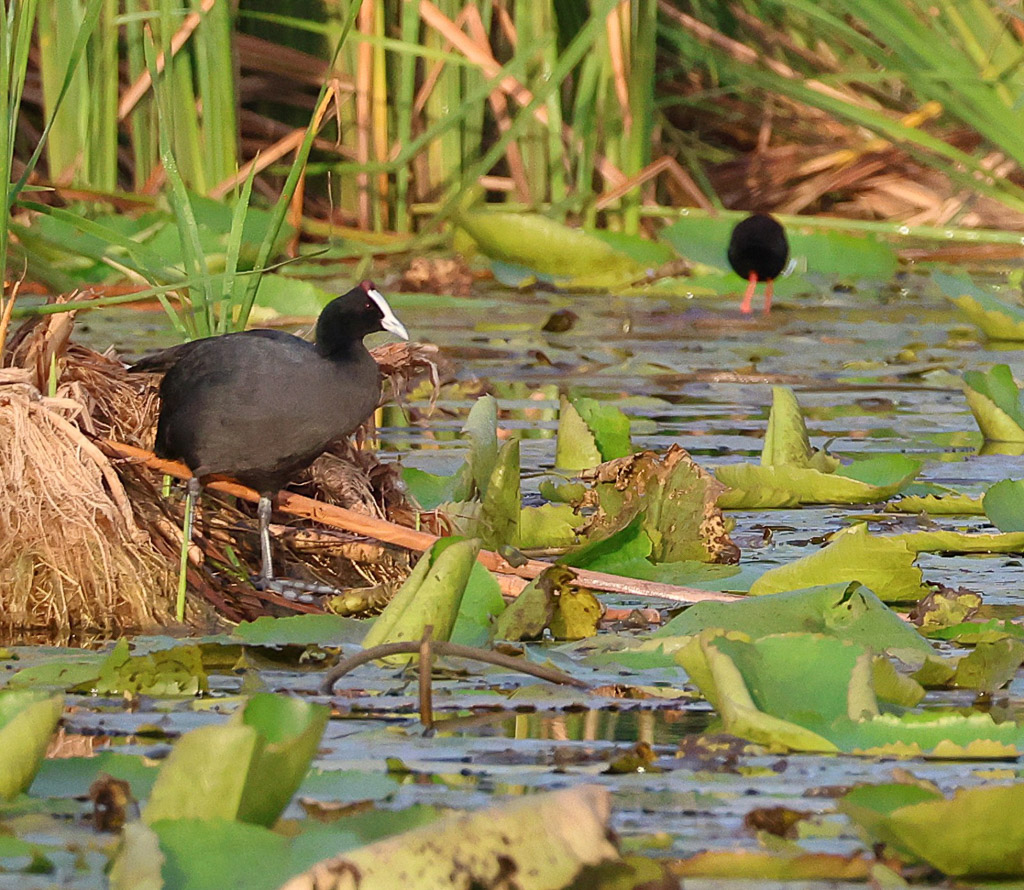
The regulars around the dam were in attendance. Black Crakes darted across the lily pads. A couple of African Swamphens caused a stir and got the photographers going early. The whistle of Knysna Woodpeckers rang out from distant tall trees, but the birds remained stubbornly hidden. The dam is known for its White-backed Ducks, but they eluded us this time.


Flowing out of the dam is a small stream that runs through a series of small wetlands towards a vlei. We walked towards the vlei, scanning the reed beds for life. Some of us got a fleeting glimpse of a Burchell’s Coucal before it dived into the thick vegetation. Small groups of Southern Red Bishops buzzed through the reeds. Their non-breeding plumage matched perfectly the autumn-faded vegetation.
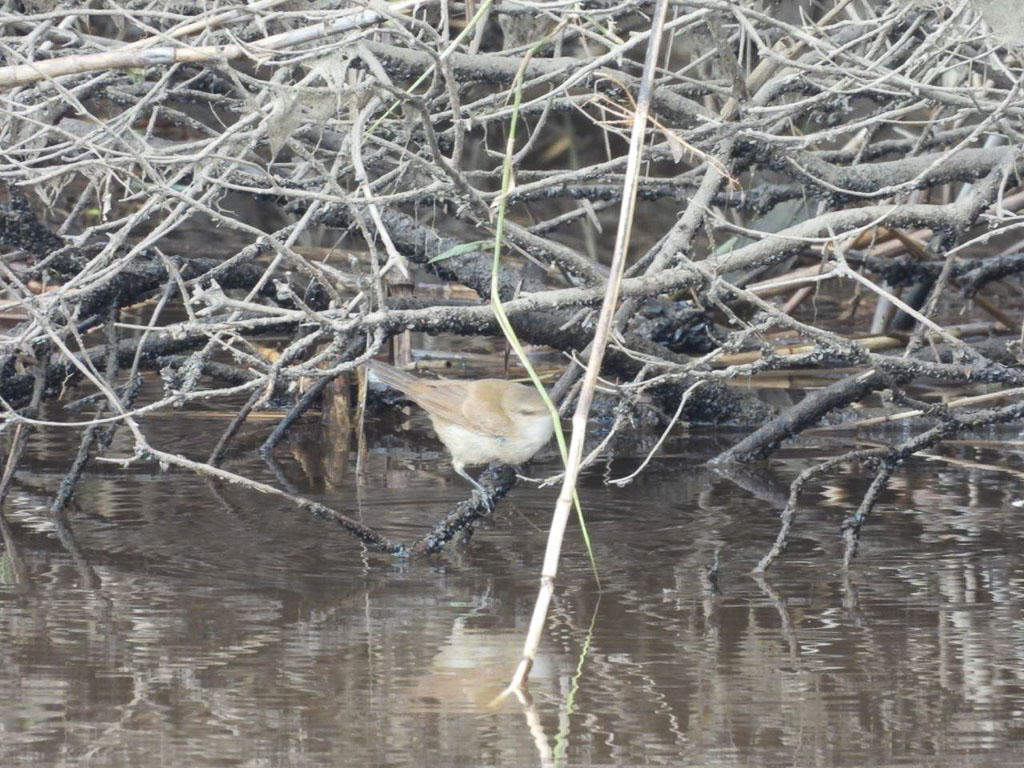
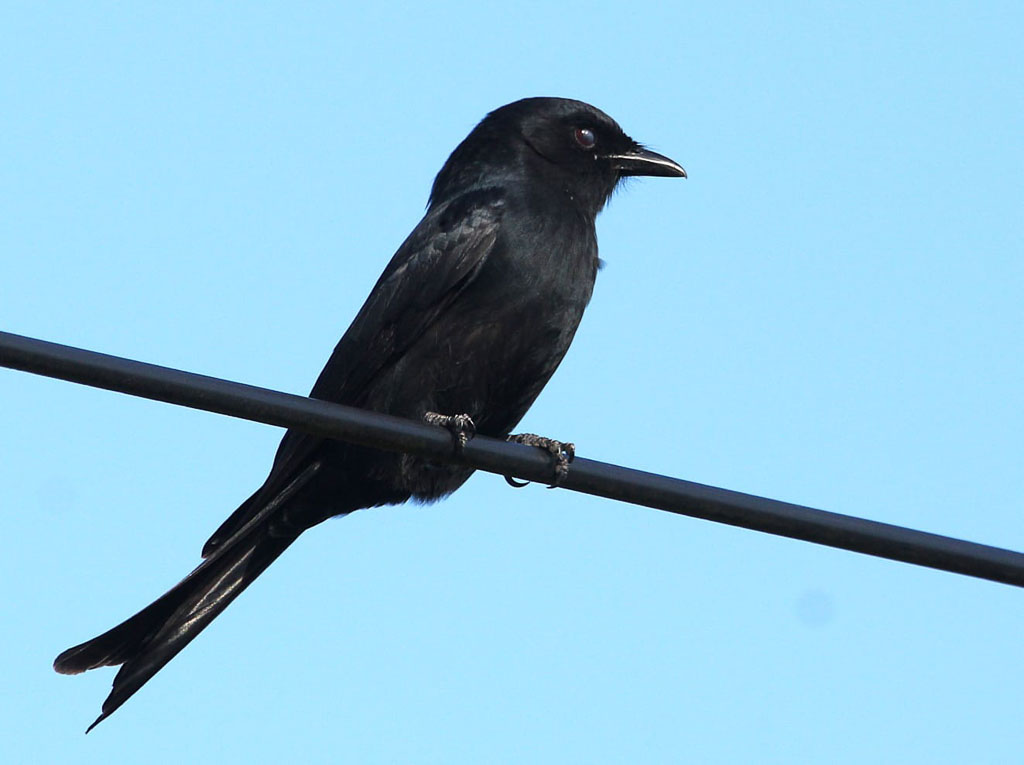
Just before the stream joins the vlei, there is a small, secluded opening in the vegetation. This is a hotspot for the cryptic Little Rush Warblers. They frequently call, but do not often venture far out of the thick, marshy vegetation. The always vocal Levaillant’s Cisticolas made themselves known in good numbers. Our warbler scanning was interrupted by the distinctive kipping of an African Goshawk. We spotted it at the top of a distant tree, being closely monitored by Fork-tailed Drongo.


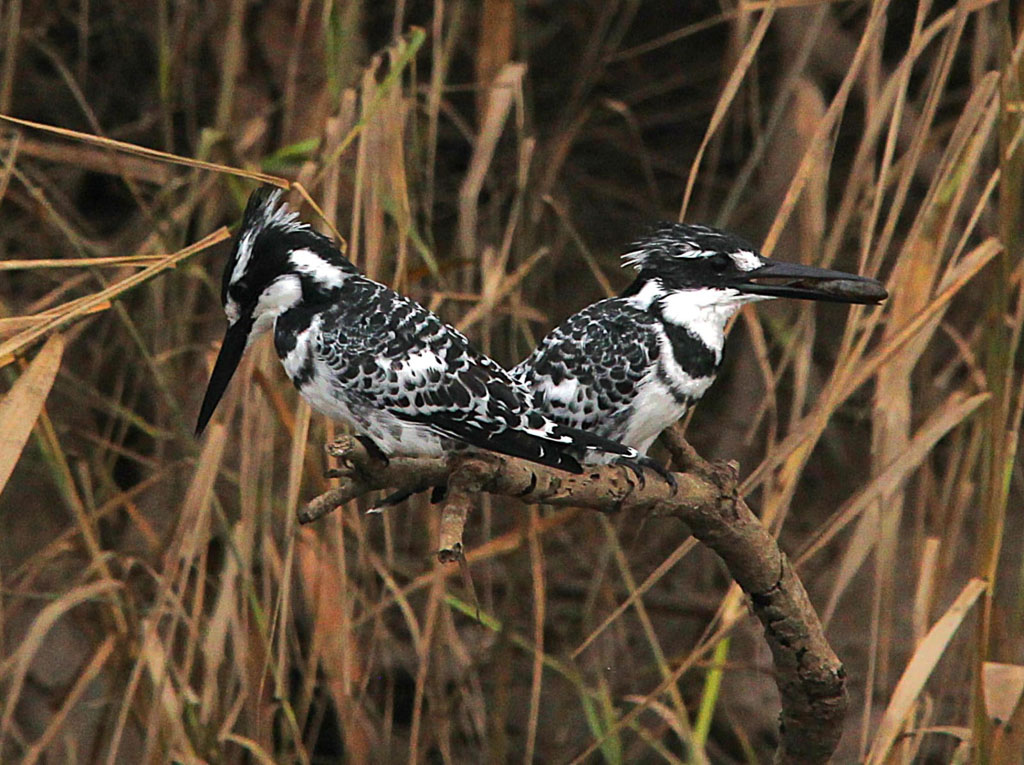
A short drive to the other side of the village of Stanford led us to ‘Kingfisher Corner’. This, as the name implies, is a good spot for kingfisher watching. If one has sufficient time and patience, four species of these birds can be found here. For us, the Pied Kingfishers put on a fantastic display, with some posing for the photographers and others chirped while flying overhead the appreciative spectators. A Malachite Kingfisher took the opportunity to race downstream while most of the birders were distracted.

The fynbos hill loop
There are a number of gravel-road options a short distance from Stanford. We took a short loop past Stanford Manor and up the hill towards the fynbos reserve.
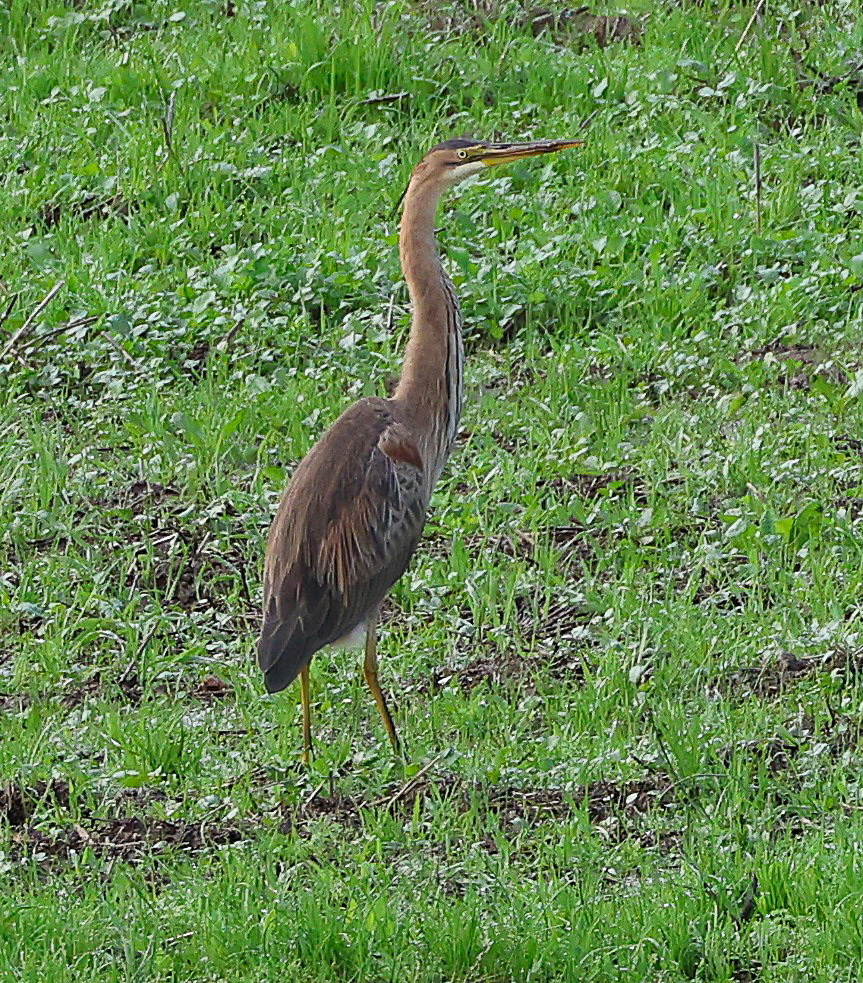
This road passes through farmland, winding its way up the hill towards the reserve. We stopped to scan a field with Helmeted Guineafowl and Egyptian Geese. Emerging from a small pond was a Purple Heron, which displayed nicely for us.
The much demanded coffee stop finally took place on the top of the hill at the fynbos reserve. At this spot, we enjoyed coffee and snacks, while admiring a view over the farmlands leading towards Stanford.
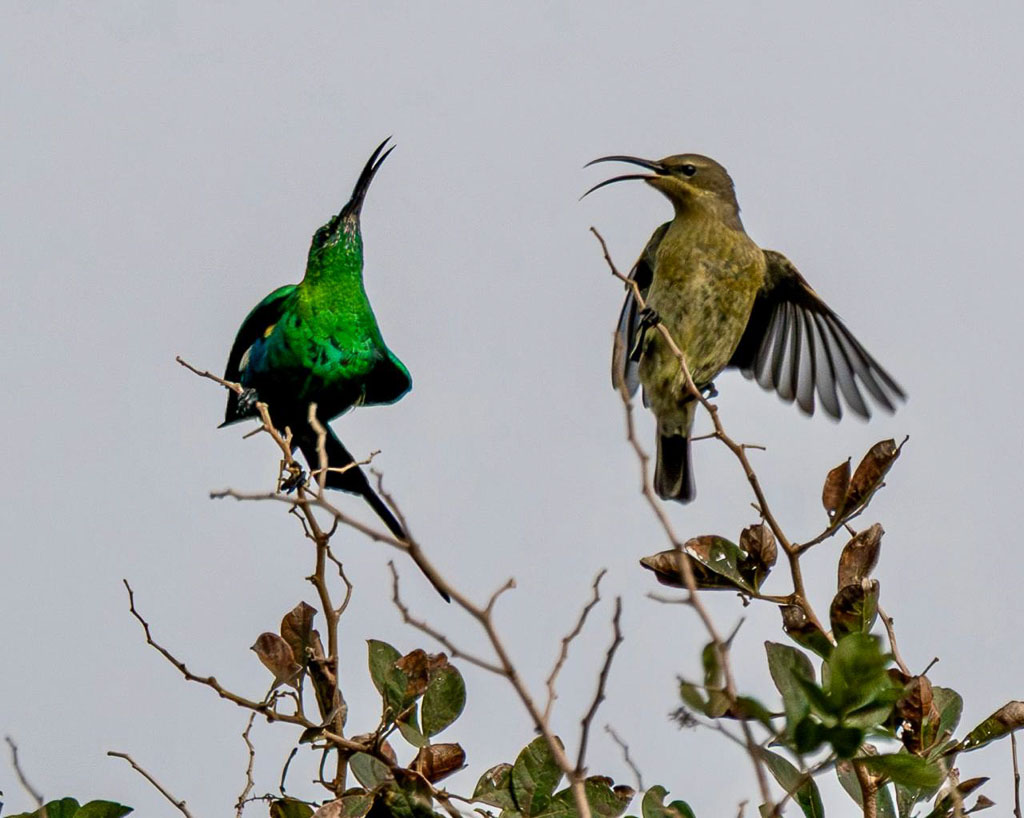
This is a good spot for sought after fynbos species, including Orange-breasted Sunbird and Cape Sugarbird. Both of these darted around us. On this loop, it is easy to pick up three of the four local sunbird species: Orange-breasted, Malachite and Southern Double-collared. We picked up all of these on this short piece of road. The very common, but not often seen, Cape Grassbird called all around us.


The farmlands between Papiesvlei and Sandies Glen
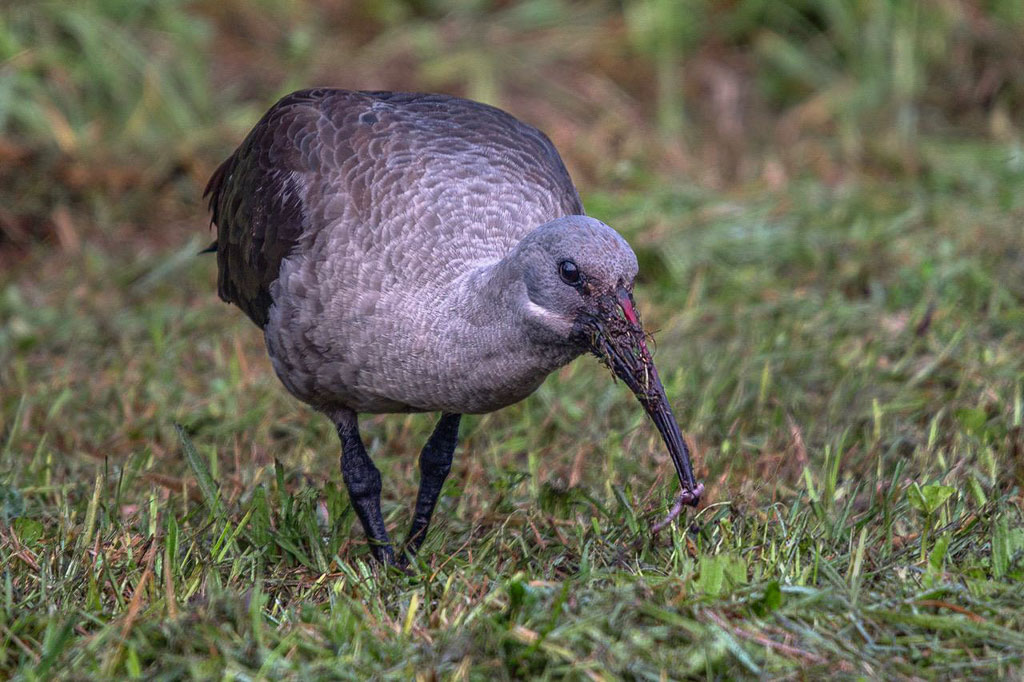
Our next destination of the morning was a loop that runs through the farmlands between Papiesvlei and Sandies Glen. To get there, we quickly drove along the gravel road, only for a brief stop at one of the little farm dams. This dam has been obscured from view by thick vegetation. However, following the devastating fires of late last year, there is some viewing opportunity. We were fortunate to see a Hamerkop — a bird I don’t typically see in the area.
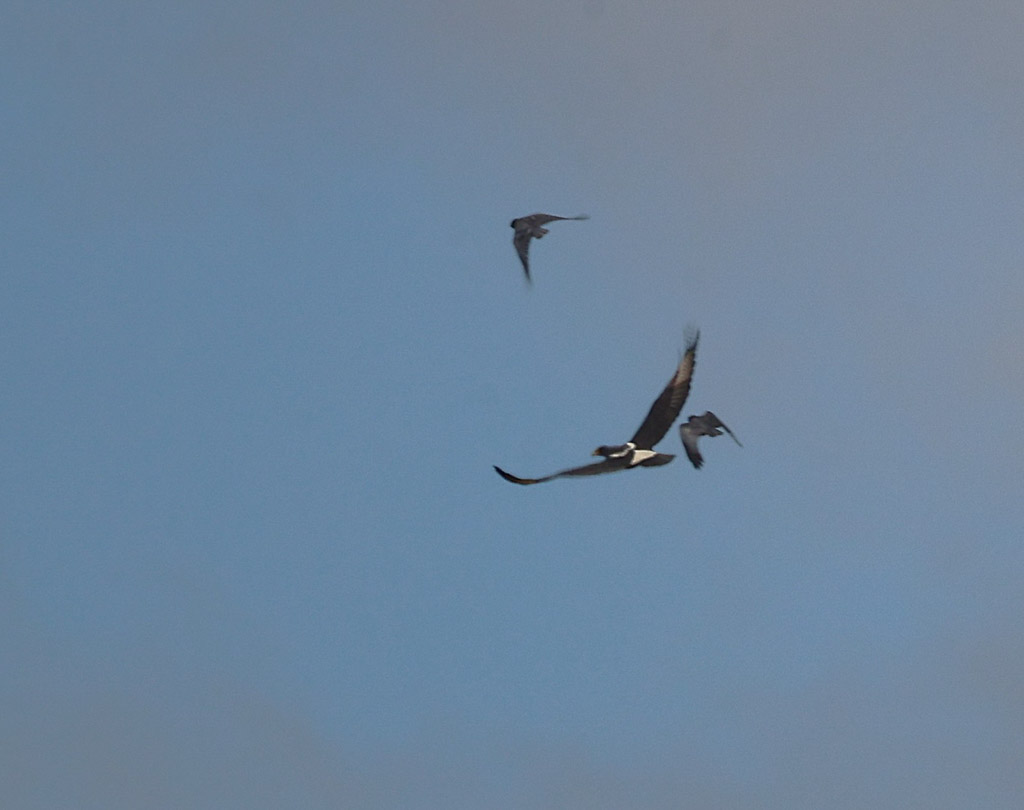
The first planned stop was at the junction towards Sandies Glen. A narrow section of the Uilkraals River runs across here, and there is a productive wetland. As we arrived, we spooked a Malachite Kingfisher which darted downstream. While trying to locate the bird, we had to rapidly shift our attention to a large raptor being mobbed by Cape Crows. A large, black eagle with broad white patches towards the wing tips led to the immediate identification of a Verreaux’s Eagle. A fantastic sighting for the area.
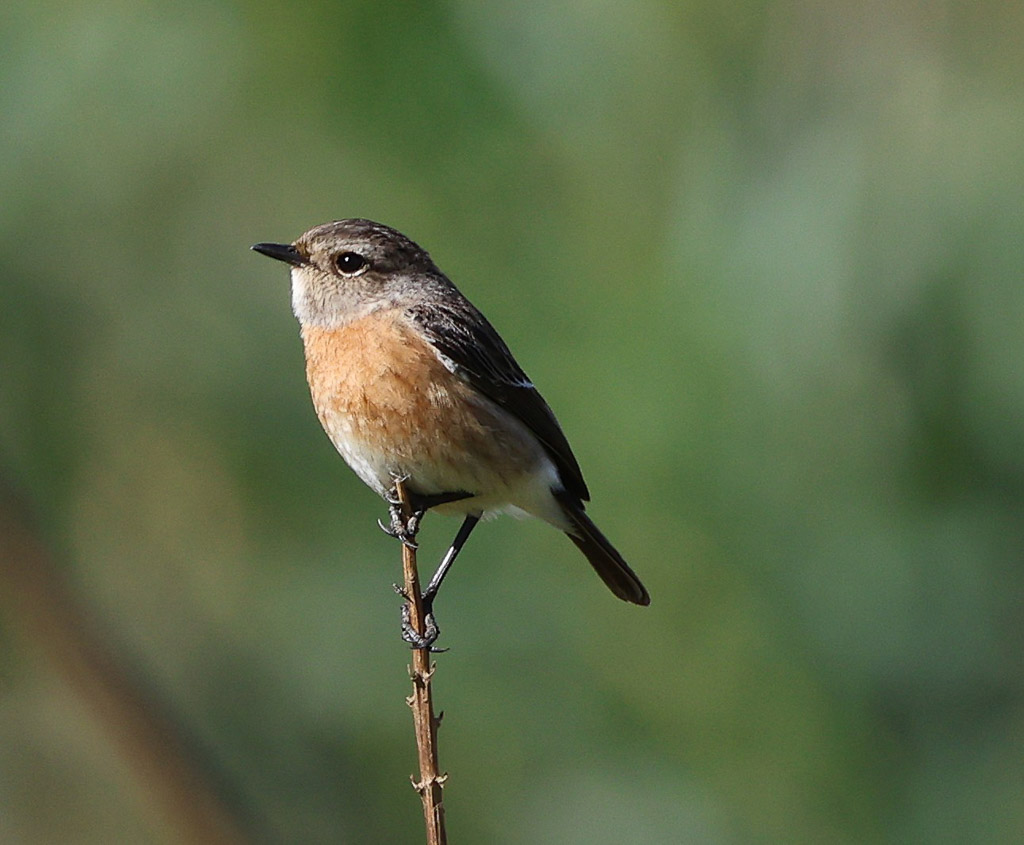
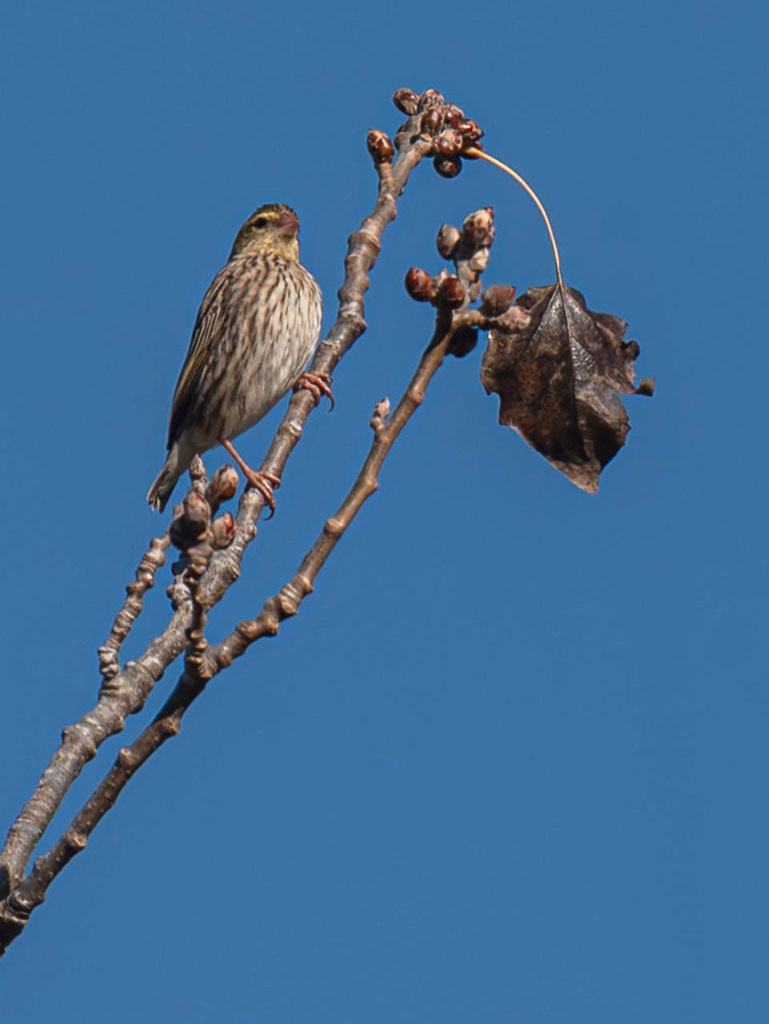

The rest of the loop was punctuated by several stops at bird-attracting features including larger farm dams, gullies, and fields. In one of the fields we encountered dozens of birds all busily flittering about. These included Cape Weavers, Pied Starlings, bishops and a Wattled Starling. Unfortunately, they were just too far away to see what was attracting all the birds to this spot.
We recorded most of the species we would expect for this sort of habitat. Noticeably absent were larks and pipits. I was not necessarily expecting them to be very vocal, but I did not expect to see none!
The final leg back to Stanford
We headed back and made a final stop at a small dam, that is usually productive for waterbirds. There were some Blacksmith Lapwings and Red-knobbed Coots around the edges. A Brown-throated Martin rapidly raced overhead and was added to the list. This was the official end of the outing, and the group headed back after a productive morning of birding.
However, some of the group were still searching for the Knysna Woodpecker that had eluded us earlier in the morning. A good spot for them is along the vlei in Stanford, which is lined by tall trees on either side. The woodpeckers were quiet, and there was no evidence of their presence. However, a small raptor landed in the tree just ahead of the group with its back facing the group.

I confidently, and incorrectly, identified it as the resident African Goshawk. However, further looking at the photos afterwards confirmed it was a Rufous-breasted Sparrowhawk. That’s a real treat for Stanford, and I’ll be keeping a closer eye on the small raptors here from now on!
Between all of us, from the Eastcliff Spar to the final record in Stanford, we totalled 77 species for the morning!
Hi Graham
Thank you for the incredible tour and for the newsletter.
I so enjoy reading about it in retrospect. Stanford and surrounds certainly has interesting and accessible bird life.
Thanks to Johan van der Westhuizen for organising.
And to everyone on the trip
Thank you! I glad you had a good time!